
Dog Exercise Needs: Building Strong Joints
Every wag, leap, and zoom around the yard depends on healthy joints. At Coit Hedgcoxe Animal Hospital in Plano, TX, we know that proper exercise is one of the best gifts you can give your pup. The right kind of movement builds strong muscles, protects the joints, and keeps your canine companion happy, flexible, and full of energy at every life stage.
Exercise isn’t just about burning energy. It’s about maintaining balance between activity and protection. Too much can stress growing bones or aging joints, and too little can lead to stiffness, obesity, or arthritis. That’s why finding the sweet spot for dog exercise in Plano, TX is so important for your four-legged friend’s long-term health.
Why Exercise Matters for Canine Joint Health
Your dog’s joints are marvels of movement. Ligaments, tendons, cartilage, and muscles all work together to provide strength and stability. Regular, appropriate exercise helps keep these structures healthy by:
- Lubricating the joints with synovial fluid for smoother motion
- Strengthening supporting muscles to reduce joint strain
- Maintaining a healthy weight to minimize pressure on hips and knees
- Improving circulation for tissue repair and nutrient delivery
Without consistent movement, joints can become stiff, weak, and more prone to injury. Think of exercise as oil for your dog’s moving parts; it keeps everything running smoothly.
Understanding Your Dog’s Exercise Needs
Not every dog has the same workout plan. Breed, age, and overall health all play major roles in determining the right amount and type of activity.
Puppies: Their energy levels are through the roof, but their bones and joints are still developing. Short bursts of gentle play and leash walks are best. Avoid long runs or encouraging your pet to do a lot of standing or jumping until growth plates close.
Adult Dogs: Once fully grown, most dogs need 30–60 minutes of exercise daily. Herding breeds, retrievers, and terriers often thrive with a mix of cardio and mental stimulation.
Senior Dogs: Older pups still need movement, but lower-impact options like swimming or slow walks protect aging joints and maintain flexibility.
At Coit Hedgcoxe Animal Hospital, we tailor exercise advice to your dog’s age, health, and lifestyle to help them stay fit without overdoing it.
Safe Exercises to Keep Dogs Active
Whether you’re strolling through the neighborhood or spending the weekend at the park, safe, consistent activity keeps your pup’s body in great condition.
Low-Impact Options for Healthy Dog Workouts:
- Leash walks: Great for all ages—steady, joint-friendly exercise that encourages bonding.
- Swimming: Fantastic for dogs with arthritis or recovering from injury; builds muscle without stress on joints.
- Treadmill training: Indoor options help during extreme weather while maintaining control over speed and duration.
- Puzzle play: Mental exercise matters, too. Try food-dispensing toys or agility-style problem-solving games.
High-Impact Fun (for healthy adult dogs):
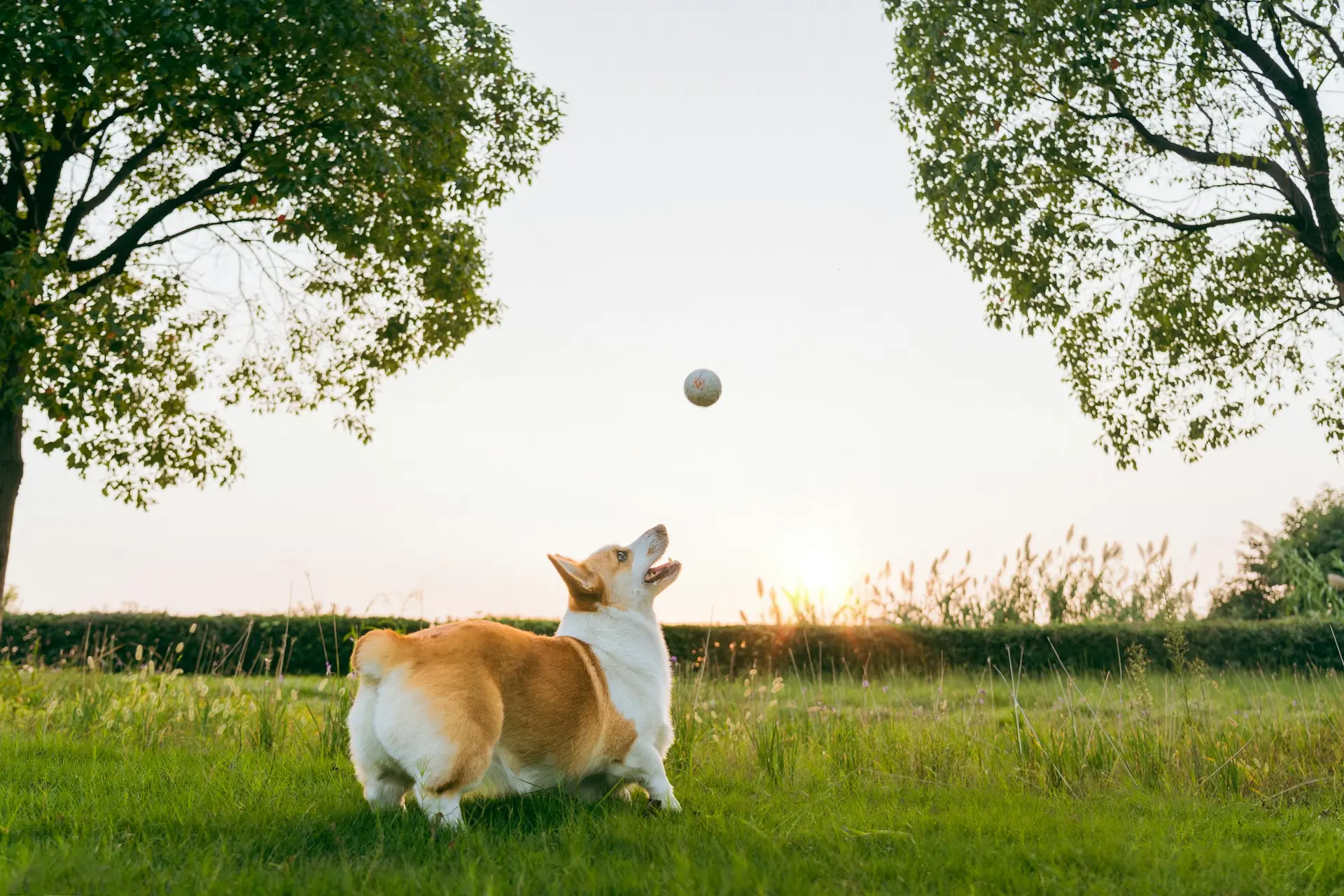
- Fetch and frisbee: Ideal for dogs who love to run, but avoid hard landings on concrete.
- Agility or flyball: Strengthens coordination and confidence while improving endurance.
- Off-leash playdates: Socialization and exercise all in one!
Always warm up before active play and cool down afterward with a calm walk or light stretching.
Recognizing When Exercise May Be Too Much
As beneficial as exercise is, overexertion can lead to joint injuries or pain, especially in puppies and seniors. Keep an eye out for these warning signs:
- Limping or favoring one leg
- Reluctance to climb stairs or jump
- Stiffness after resting
- Fatigue sooner than usual
- Swelling around joints
If you notice any of these signs, schedule an appointment at Coit Hedgcoxe Animal Hospital. Our veterinarians can assess your dog’s joint health, recommend safe modifications, or provide treatment for inflammation or early arthritis.
Supporting Strong Joints Beyond Exercise
Exercise alone isn’t the whole picture. A healthy lifestyle supports joint longevity from the inside out.
Balanced Nutrition: Choose food rich in omega-3 fatty acids, lean proteins, and joint-supporting nutrients like glucosamine and chondroitin.
Healthy Weight: Extra pounds add unnecessary strain on joints. Even small reductions in weight can make a big difference.
Regular Veterinary Checkups: Routine exams allow early detection of joint issues, giving your pup the best chance for long-term mobility.
Massage and Physical Therapy: Gentle stretching, massage, or veterinary-prescribed rehab exercises can help ease stiffness and improve flexibility—especially for older dogs or those recovering from injury.
How Weather Affects Dog Exercise
Plano’s hot summers and chilly winters both impact outdoor activity. During warm months, exercise early in the morning or later in the evening to avoid heat stress. Bring water, rest frequently, and avoid walking on hot pavement.
In colder weather, your dog might need shorter sessions or protective gear like booties or a coat. Indoor games such as hide-and-seek, treat hunts, or short training sessions help maintain fitness year-round.
Breed Differences in Exercise Requirements
Every breed has its own energy level and joint health risks. For example:
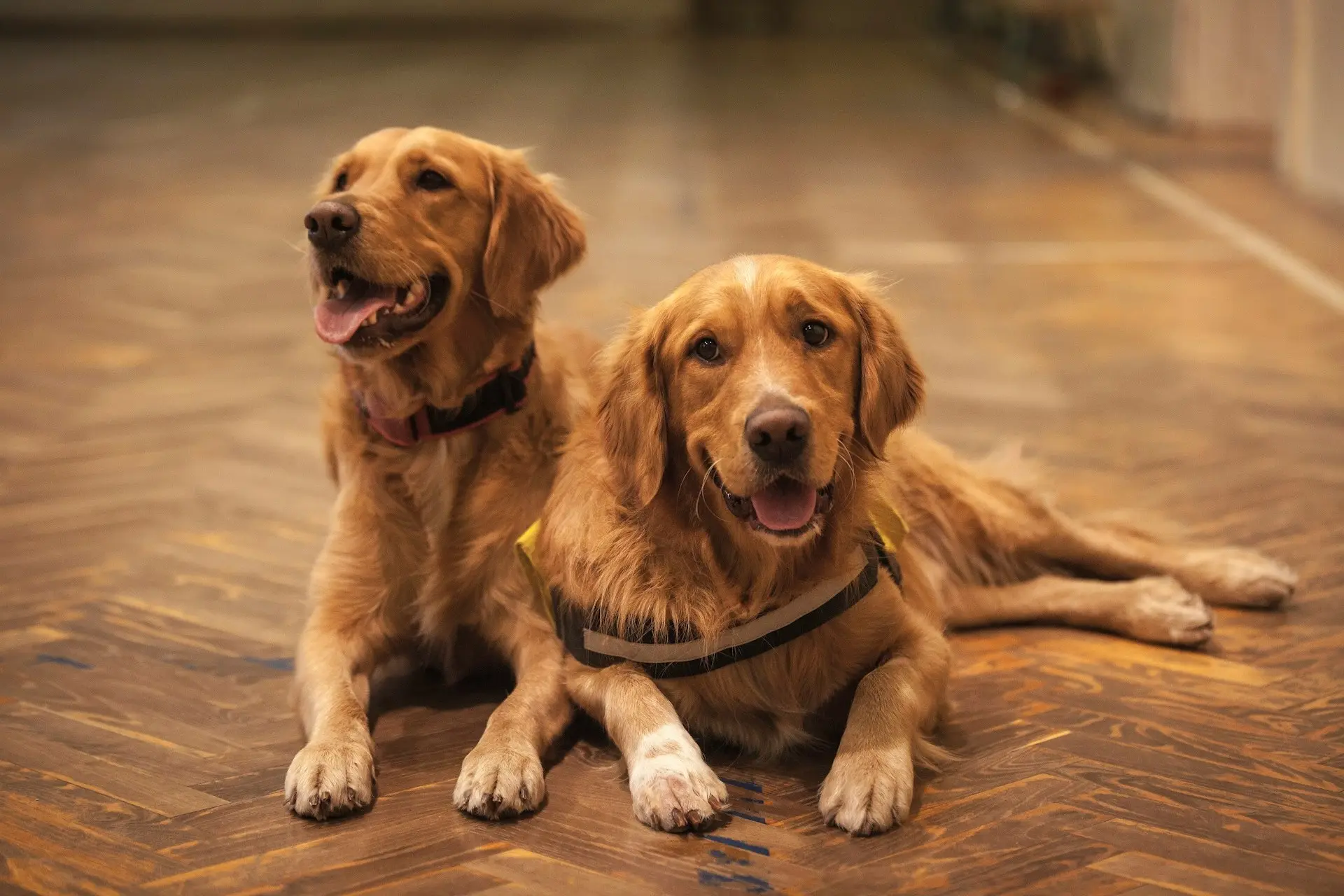
- Labradors and Golden Retrievers love to run and swim but can develop hip dysplasia without moderation. (We wrote about teaching Fido to swim in this blog.)
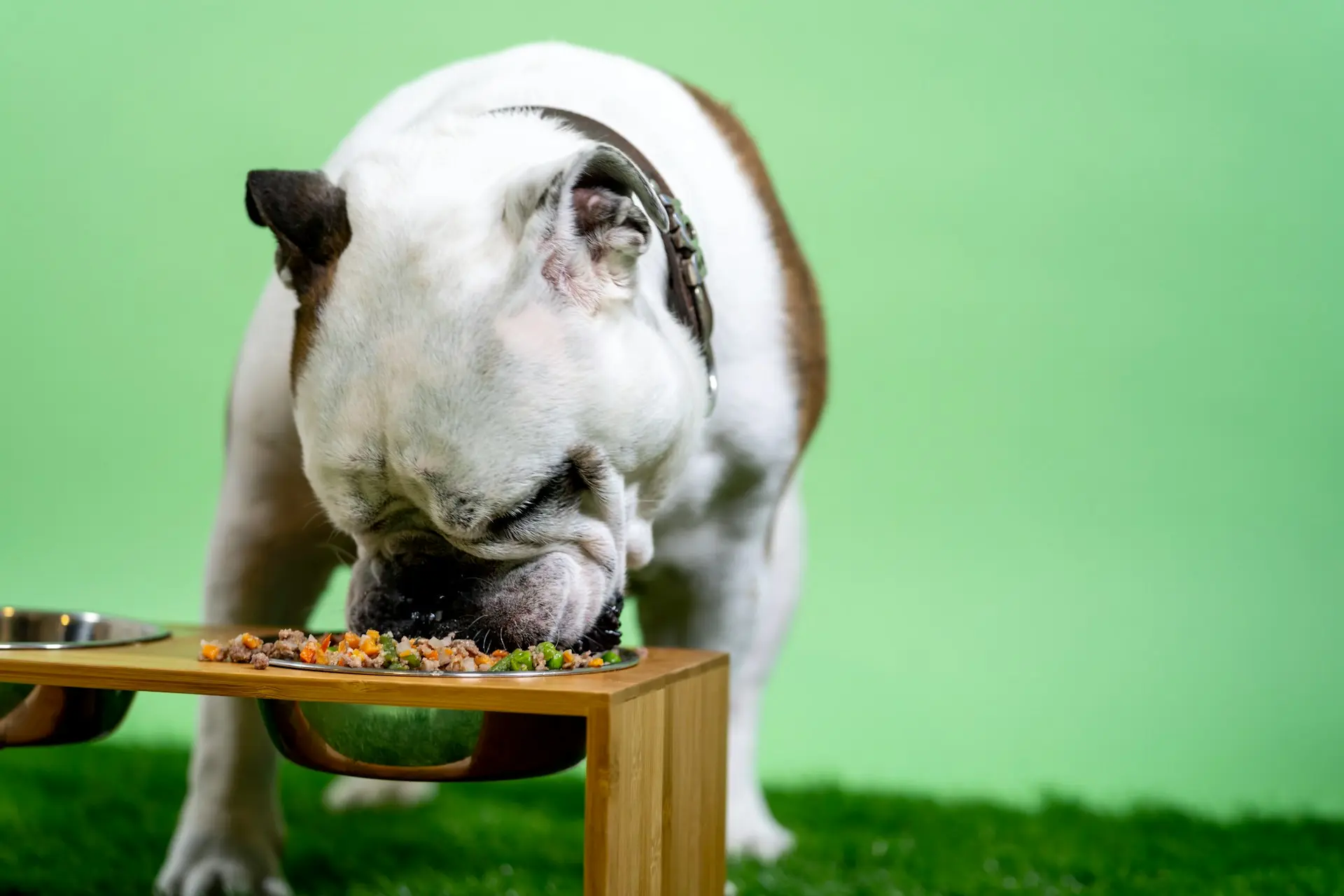
- Bulldogs and Pugs need shorter, slower walks due to their respiratory structure.
- Huskies and Border Collies thrive with long-distance exercise and mental challenges.
- Small breeds like Chihuahuas or Dachshunds benefit from frequent short walks to avoid strain on small limbs.
Understanding your dog’s breed and following recommended care and exercise guidelines helps prevent injury while keeping them mentally and physically engaged. Don’t be afraid to ask your vet questions. That’s what we’re here for!
Are you trying to get back into shape? Fido can make a great workout buddy. The AKC site has a fun article online here about getting in shape with your dog.
FAQs About Dog Exercise and Joint Health
How often should I exercise my dog?
Most healthy adult dogs need daily exercise. The type and length depend on age, breed, and health. Ask your veterinarian for a personalized plan.
Can exercise help prevent arthritis?
Yes! Regular, low-impact activity strengthens muscles and ligaments, protecting joints and slowing age-related wear.
What’s the best exercise for senior dogs?
Swimming, short walks, and gentle stretching are ideal for keeping older dogs mobile without stressing joints.
How do I know if my dog’s joint pain is serious?
If limping or stiffness persists for more than a day or two, or if your dog seems lethargic, schedule a veterinary exam promptly.
Keep Your Dog Strong with Coit Hedgcoxe Animal Hospital in Plano, TX
Healthy movement leads to a happy, long life for your pup. At Coit Hedgcoxe Animal Hospital in Plano, TX, we help pet parents create balanced exercise routines that build muscle, protect joints, and support total well-being. Whether you’re raising a bouncy puppy or caring for a senior canine companion, our team is here to guide you every step of the way.
Searching for a vet near me who truly cares about your dog’s health? You’ll find expert, compassionate care right here at Coit Hedgcoxe Animal Hospital.
Visit our Services page here to learn more about our Plano, TX vet clinic and the services we offer.

Cat Health Exams: Why Yearly Vet Visits Matter
Dog Training: Building Confidence and Trust
Dog Allergy Relief: Itching, Skin, and Paws
Cat Grooming: Brushing, Bathing, and Nail Care

Dog Separation Anxiety: Training Solutions
Cat Dental Health: Preventing Pain and Loss
Dog Nutrition Basics: Food and Treat Choices

Cat Enrichment: Play, Climbing, and Stimulation
Laser Therapy for Pets: Healing Support Options

[wd_hustle id=”2″ type=”social_sharing”/]